How Can Singapore Dealers Handle Repairs, Warranties and Returns Without Losing Trust and Profit
In Singapore’s competitive luxury watch scene, a dealer’s reputation isn’t built on record-breaking sales, it’s built on how problems are handled.
Every watch dealer has heard the familiar line: “The watch you sold me just stopped working.”
That moment can define a business. Handling service issues the right way turns one-time buyers into loyal collectors. Mishandling them can quickly damage credibility across watch forums, Telegram groups, and collector communities.
This guide outlines how established Singapore watch dealers manage repairs, warranty claims, and return policies to maintain both trust and profitability.
1. Act Fast When a Watch Stops Working
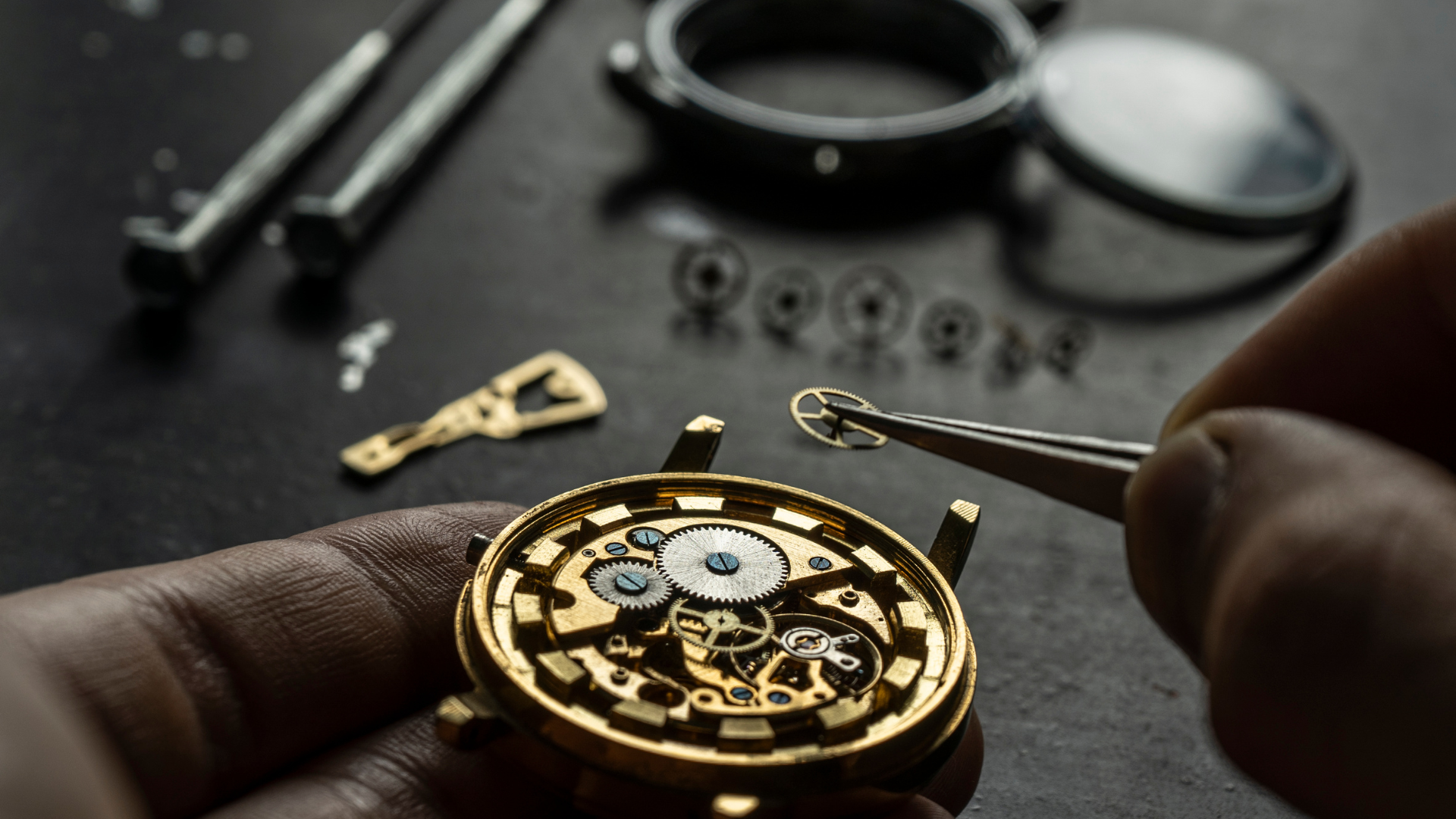
Mechanical watches are precise but delicate. Even new models from Rolex, Omega, or Audemars Piguet can malfunction due to impact, magnetism, or factory defects.
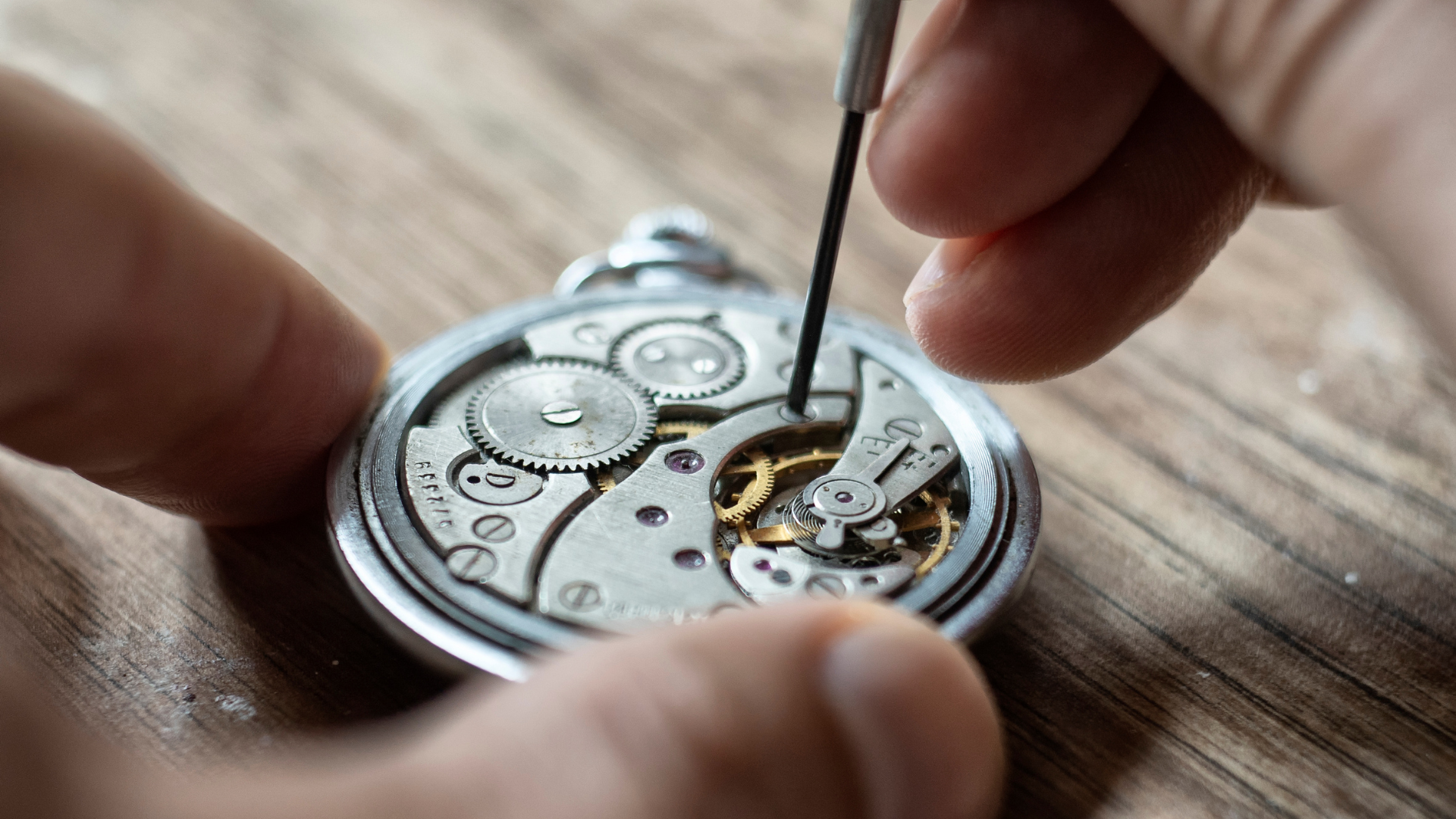
Dealers typically rely on two service options:
- Brand-authorised service centres — official and reliable but expensive, with average turnaround times of 8–12 weeks.
- Independent watchmakers — often former brand technicians who provide faster, high-quality work at a fraction of the cost.
Building long-term relationships with skilled horologists helps ensure every serviced piece meets high standards. Providing clients with documentation such as a service or inspection certificate also reinforces professionalism and accountability.
2. The True Cost of “Making It Right”
In the luxury watch business, after-sales service is an investment in customer retention.
A Patek Philippe part can cost S$800–S$1,200, and a chronograph overhaul can exceed S$1,500. But refusing to address a problem properly can cost far more in lost reputation and referrals.
Successful dealers treat after-sales service as part of their operating cost. Some even maintain an aftercare fund for minor goodwill repairs or strap replacements. Spending a few hundred dollars to preserve client confidence often pays off through repeat business and referrals.
That’s why many Singapore dealers now factor after-sales care and are also considering client insurance coverage into their operating model — ensuring that protection continues even after the watch leaves the boutique.
Having an insurance policy in place makes goodwill gestures financially sustainable, rather than risky.
3. Balancing Watch Return Policies in Singapore
If repairs test a dealer’s patience, returns test their principles.
Because even light wear or micro-scratches can reduce a watch’s resale value, clear and firm return policies are essential from the outset.
Common industry terms include:
- Inspection period: 3–7 days after purchase
- Condition: Unworn, with all stickers intact
- Refund: Exchange or store credit preferred
- Authenticity or defect issues: Verified by an independent assessor
Handling disputes calmly and professionally — for example, verifying accuracy concerns through an independent service check shows reliability and transparency. A small repair or regulation often resolves the issue and preserves the relationship.
4. Communication Is the Most Powerful After-Sales Tool
Collectors in Singapore are well-connected and quick to share experiences, both good and bad. That’s why clear, consistent communication is one of a dealer’s most powerful tools.
Regular updates build trust and reduce anxiety.
Use WhatsApp Business or a simple CRM system to track service timelines, warranty periods, and inspection notes. Even a short message like “Your Submariner has been regulated and is ready for pickup this Friday” shows transparency, attention to detail, and respect for your client’s time.
5. Turn Repairs Into Relationship Capital
Service issues don’t need to be setbacks — they can be opportunities for growth.
Collectors who experience empathetic, efficient after-sales support are more likely to recommend that dealer to others. Many long-term clients start as first-time buyers who appreciated how a service issue was handled.
Dealers can use these moments to:
- Offer strap upgrades or protective coatings
- Extend or enhance warranties
- Invite clients to private previews or appreciation events
Handled correctly, each repair strengthens brand reputation and trust. In the world of watch retail, every service call is also a sales opportunity.
6. Protecting Profit Without Cutting Corners
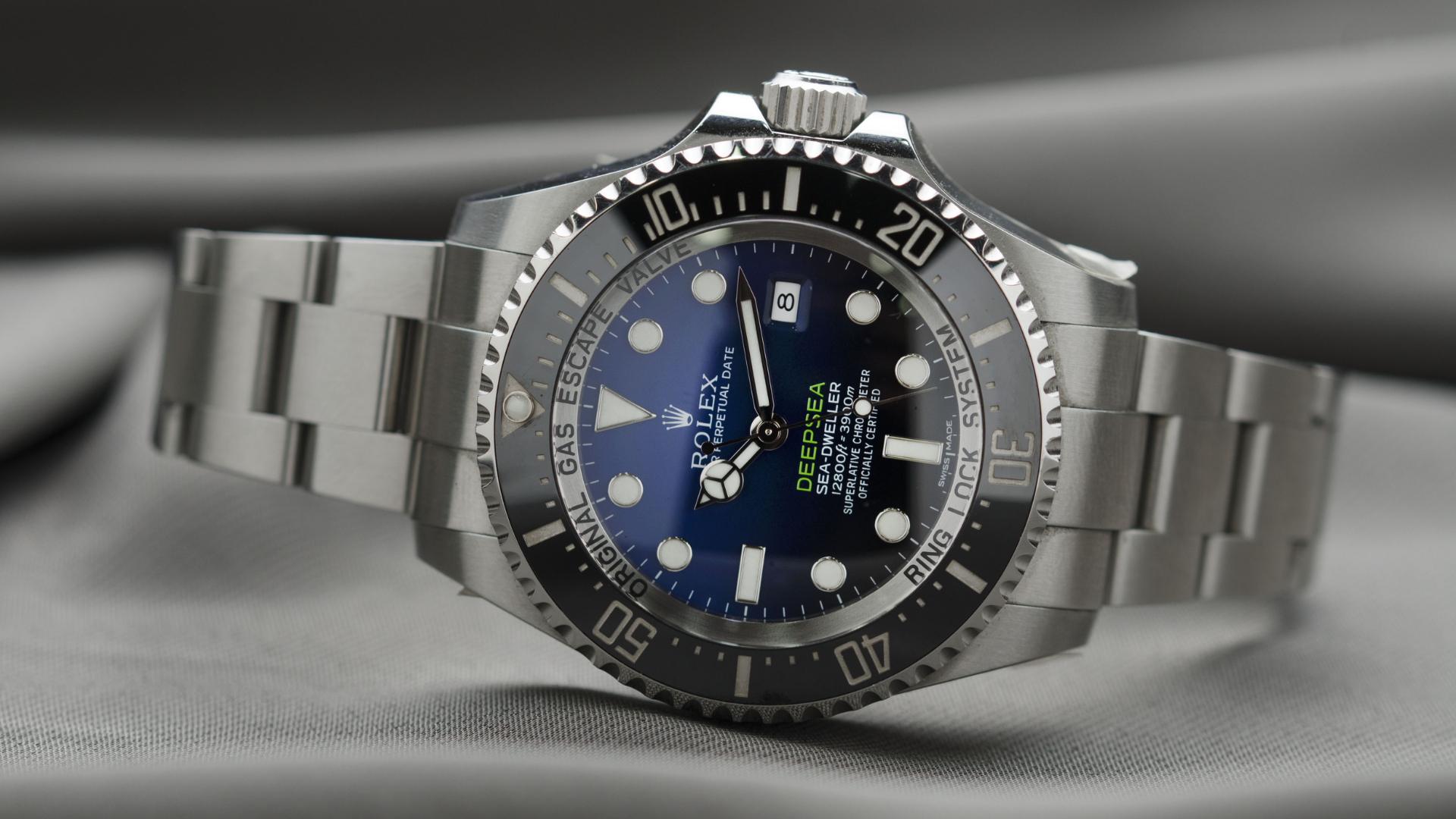
Running a successful watch business in Singapore means balancing goodwill with healthy margins.
Smart operational practices help dealers manage after-sales efficiently:
- Negotiate fixed rates with trusted independent watchmakers
- Insure inventory and transit against theft, loss or damage
- Offer insurance coverage for clients to protect their watches
- Document inspections and repairs for transparency
- Train staff to remain calm and consistent in customer interactions
Comprehensive, integrated watch insurance bridges the gap between inventory protection and customer satisfaction — giving clients confidence that their timepieces are protected from the moment they leave the boutique. It ensures that if a watch is lost or damaged, the dealer avoids both financial loss and reputational impact. With the right systems in place, protection becomes a value-added service. Dealers can’t control every fault, but they can control how professionally they respond.
7. In the End, It’s About Trust
Singapore’s luxury watch community runs on relationships, reputation and word-of-mouth.
Whether it’s a S$5,000 Tudor or a S$50,000 Patek Philippe, clients remember who stood by them when things went wrong.
Repairs, warranties, and watch insurance are inevitable but they’re not what define a dealer. What matters is how they’re handled.
In watchmaking, precision isn’t just about timekeeping — it’s about keeping trust.
Read other articles