9 Costly Red Flags When Buying a Pre-Owned Luxury Watch in Singapore
Buying a preowned luxury watch in Singapore can be incredibly rewarding: better prices, discontinued references, vintage charm, and sometimes near-mint pieces you’d never find at retail.
But the same market also attracts super-clones, Franken-watches and badly “refreshed” pieces. If you’ve ever Googled “fake Rolex Singapore” or “how to spot fake watch”, you already know how convincing some fakes can be in photos.
This guide walks through 9 practical red flags to watch for when you buy a preowned watch in Singapore, especially on platforms, consignment shops and grey dealers, so you can spot trouble before your money is gone!
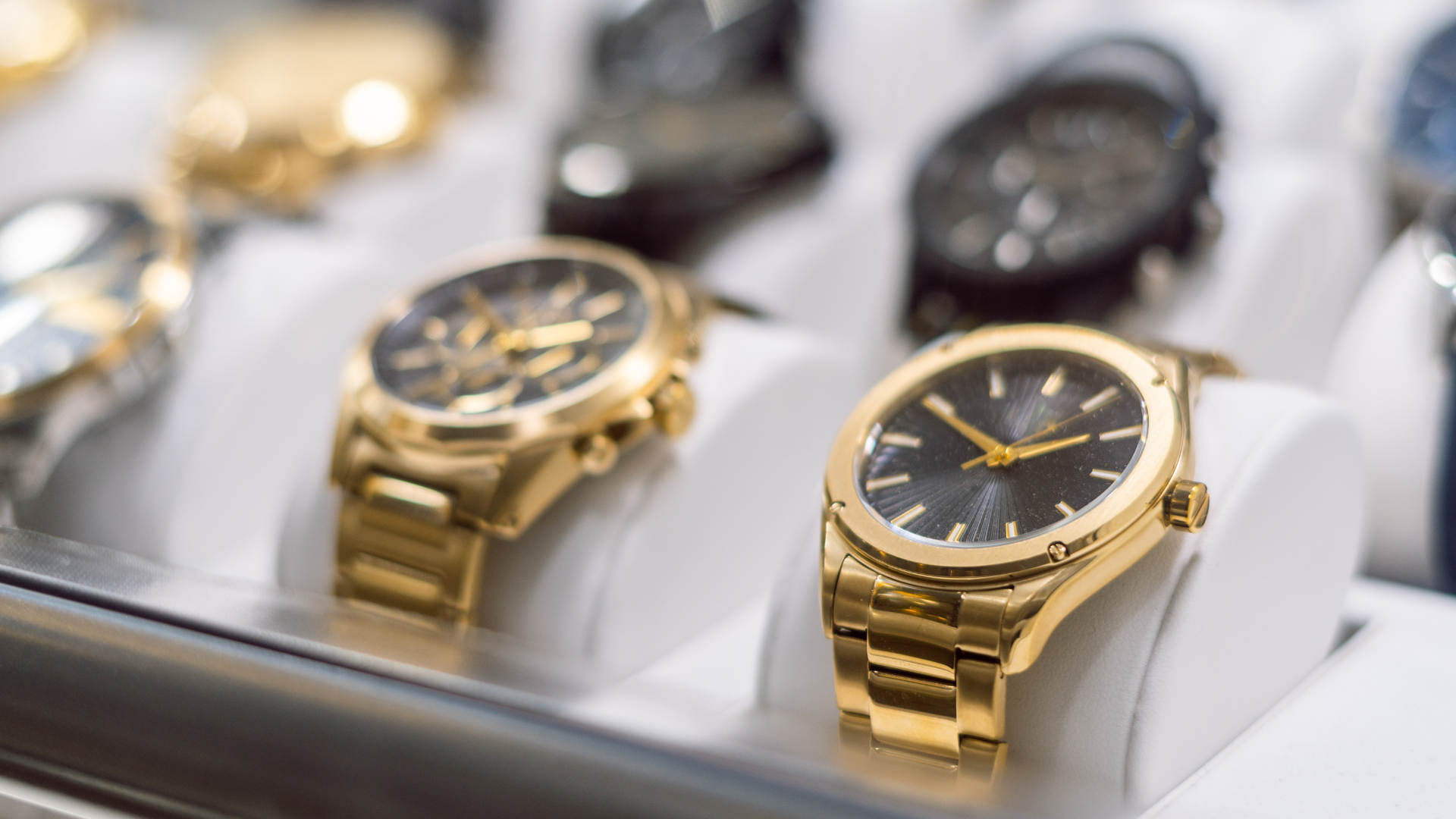
1. The Price Is “Too Good” (and the Story Is Even Better)
A classic red flag: the watch is listed way below market value, with a convenient sob story attached.
Common lines:
- “Quick sale, moving overseas tomorrow”
- “Got this as a gift, don’t know much about it”
- “Need urgent cash, my loss your gain”
If a preowned Rolex, Omega or AP is priced substantially below what multiple other dealers are asking, assume something is wrong until proven otherwise.
What to do instead
- Check recent asking prices across multiple Singapore dealers and marketplaces
- Treat “urgent sale, must deal today” as a pressure tactic, not an opportunity
- If you can’t explain why it’s cheap (no papers, damaged, older revision, etc.), walk away
2. No Papers, No Box and a Very Vague History
Lack of box and papers is not an automatic dealbreaker, especially for older pieces. But when you combine no documentation with a seller who:
- Can’t explain where they bought it
- Has no service history
- Can’t provide any prior invoices
…you’re effectively buying blind.
Green flags to look for
- Some form of paper trail: original warranty card, store receipt, service papers, or even a prior dealer invoice.
- A seller who can clearly explain when, where and how they acquired the piece.
- Willingness to have the watch independently inspected before you commit.
3. Seller Refuses Any Third-Party Authentication
If the seller shuts down the idea of a third-party check, treat that as a giant warning sign.
Red flags:
- “Bro, no need, 100% authentic, trust me”
- “If you don’t believe me, don’t buy”
- “I won’t bring it to a shop; I don’t have time”
What you can request
- Meeting at a reputable watch dealer or service centre for an authenticity inspection (you can offer to pay a basic inspection fee).
- Allowing your own trusted watchmaker to open the case and check the movement.
A legitimate seller might reasonably set boundaries (not wanting the watch to be opened repeatedly, for instance), but outright refusal of any external verification is a bad sign.
4. Case, Dial and Hands: Small Details Look “Off”
Modern super-clones are frighteningly good, but most fake watches still get the tiny things wrong.
For a Rolex or other high-end piece, look very closely at:
- Dial printing: is the text sharp and even, or fuzzy and slightly misaligned?
- Indices and logo: are markers uniformly placed and applied cleanly?
- Date window and cyclops (for Rolex): is the date centred, and does the cyclops magnify properly (around 2.5x for most modern models)?
- Lume: is it applied evenly, and does it glow consistently?
Compare the watch against official brand photos of the exact reference, not “similar” models. Small dial text differences, misaligned markers or incorrect fonts are often where fakes give themselves away.
5. Bracelet and Clasp Feel Cheap, Sharp or Rattly
On high-end watches, the bracelet and clasp are usually precisely finished:
- Edges should feel smooth, not razor-sharp
- Links should articulate fluidly, without obvious stiffness or grinding
- Clasp engravings and coronets (for Rolex) should look clean, not “melted” or shallow
If the bracelet feels lighter than expected, rattles excessively, or has sloppy engravings, you may be dealing with a fake or with mismatched aftermarket parts.
Quick checks
- Run a finger slowly along the bracelet edges, sharpness is not a good sign
- Inspect clasp logos and text under magnification
- Compare clasp code and stamping style with known authentic examples of the same era
6. Serial Numbers, Reference Numbers and Parts Don’t Match
A classic Franken-watch warning: different parts from different watches married together into one “complete” piece.
Things to check:
- Reference and serial (if visible) should match the model and approximate production year.
- The dial style, hands, bezel and bracelet should be correct for the reference and era.
- If you have papers, does the serial on the card match the case?
If the story is “everything is original” but half the watch looks like a different generation, treat that carefully. Hybrid or modded pieces can still be fun to own but should be priced accordingly, and clearly disclosed as such.
7. Over-Polished Case and “Too Fresh” for Its Age
An older watch with perfectly smooth lugs, rounded edges and erased bevels has probably been heavily polished.
Why this matters:
- Excessive polishing removes metal, alters case geometry and can reduce collector value.
- A “like new!” vintage watch at a suspiciously good price is often hiding a rough past beneath the shine.
What to look at
- Lug shape: are the tips sharp or unnaturally rounded?
- Case lines and chamfers: are they still crisp, or have they disappeared?
- Crown guards: do they retain their original profile?
Heavily polished isn’t automatically fake but it is a red flag for value and honesty. The listing should match reality: “polished and refurbished” is very different from “mint, unpolished”.
8. Rushed, Cash-Only Deal with No Invoice
High-value transactions in Singapore should feel boringly professional, not like a parking-lot hustle.
Be cautious if:
- The seller insists on cash only, no receipt.
- The meeting place keeps changing last minute.
- They push you to “decide now, someone else is coming later”.
Whenever you buy preowned watch in Singapore, you should aim for:
- A clear invoice or at least written acknowledgment of what you bought, when and from whom.
- Payment method that leaves some trail (bank transfer, PayNow, etc.).
- A seller who isn’t afraid of a bit of admin
If a seller resists even basic documentation, you lose both consumer recourse and proof of ownership.
9. Your Gut Feels Weird (and You’re Ignoring It)
This one is soft, but important.
If something about the deal feels off, ****even if you can’t articulate it, pause:
- Is the seller evasive when asked simple questions?
- Are key photos always “coming later”?
- Do they get irritated when you ask about authenticity or service history?
In the luxury space, there is always another watch. If you walk away from one suspicious deal, another piece will eventually appear.
When you’re spending thousands (or more), your instinct is a legitimate data point.
One important note: no insurance can turn a fake into a real watch.
Authenticity is Step 0. You still need to:
- Buy from reputable Singapore dealers and trusted platforms
- Do your own checks (or pay for a professional inspection)
- Document what you bought and what condition it was in
Once you’ve secured the right watch, that’s where specialist coverage comes in. MINT works with selected partner dealers to arrange all-risk protection for physical loss or damage to your insured pieces, so after all that effort to avoid fakes, you’re also protected against theft, accidental damage and other real-world mishaps.
Think of it as a two-layer approach:
- Buy right: avoid fakes, bad franken pieces and suspicious deals.
- Protect right: once you’re confident in the watch, let your dealer help you arrange coverage so you can actually wear and enjoy it in Singapore and abroad.
Read other articles