7 Essential Steps for a Scratched, Cracked or Dropped Watch in Singapore (What to Do Now to Protect Its Value)
If you’re reading this with your heart in your throat because you’ve just dropped your watch… breathe 😅
Whether it’s a scratched watch, a cracked crystal or a nasty bump on the floor, what you do in the first few minutes can make a big difference to repair costs and long-term value.
If you’ve just Googled “scratched watch what to do”, “cracked crystal repair” or “dropped watch damage” in Singapore, this collector’s checklist is for you.
We’ll cover:
- What to check immediately (without causing more harm)
- When to stop wearing the watch completely
- How to talk to a watchmaker
- Where insurance (like MINT, via your dealer) fits in
Step 1: Don’t Panic and Don’t Wind, Shake or “Test” the Watch
The most natural reaction after dropping a watch is to:
- Pick it up
- Shake it
- Tap it against your ear
- Start winding to “see if it’s okay”
All of that can make things worse.
If the impact has affected the movement, extra shocks, winding or sudden position changes can turn a minor issue into a bigger one.
Collector’s rule:
Pick it up gently, keep it flat in your palm, and resist the urge to fiddle.
If it’s running, let it keep running naturally. If it’s stopped, don’t force it to start.
Step 2: Do a Calm Visual Check (Outside Only)
Next, you want a quick but careful visual inspection. No tools, no caseback opening, just your eyes and maybe your phone torch.
Look for:
- Crystal:
- Is there a visible crack, chip or chunk missing?
- Any tiny glass flakes on the dial or hands?
- Case and bezel:
- New dents or deep scratches?
- Deformed lugs or a bezel that feels loose?
- Crown and pushers:
- Is the crown bent, stiff, or not screwing down smoothly?
- Any pusher stuck or misaligned?
- Bracelet/strap:
- Broken spring bars or stretched links?
If the crystal is cracked or shattered, stop there. Don’t press on it or “test” water resistance later, a damaged crystal can let in moisture and dust very quickly.
Step 3: Check for Obvious Movement Issues (Gently)
Without shaking or winding aggressively, do a light functional check:
- Does the seconds hand move smoothly (for mechanical) or tick consistently (for quartz)?
- Does the minute hand advance as expected when you set the time?
- Are the hands rubbing against each other or against the dial/crystal?
- For date watches: if the drop happened near midnight and you’ve noticed the date is misaligned, note it down.
If the watch stopped immediately after the drop, that’s a classic sign of possible impact shock to the movement. Don’t keep trying to restart it. Make a note of:
- Time of the incident
- What you were doing (standing, walking, running, on tiles, etc.)
- From roughly what height it fell
This will be useful for your watchmaker, and for any potential insurance claim.
Step 4: Keep It Dry and Away from Humidity
In Singapore, our humidity is brutal. If there’s any chance:
- The crystal or case is compromised, or
- The drop happened near water (sink, pool, rain, bathroom)
…you need to keep the watch as dry and stable as possible until a professional can assess it.
Do:
- Store it dial-up in a cool, dry place, ideally in an air-conditioned room.
- If the crystal is badly cracked, place it gently in a soft pouch or watch wrap so loose fragments don’t rattle around.
Don’t:
- Leave it in a steamy bathroom or kitchen
Even if everything looks fine, a microscopic crack can let in moisture that fogs the dial or attacks the movement over time.
Step 5: Decide: Cosmetic (Scratch) vs Structural (Crack/Impact)
Not every mark needs immediate action. The key is to distinguish between:
A. Purely cosmetic scratches
Examples:
- Light hairline scratches on the clasp
- Small marks on polished surfaces or bezels
- Nicks that don’t affect structure or water resistance
These are annoying, but not emergencies. Many Singapore collectors choose to live with normal wear marks and address them only during a bigger service.
B. Structural or functional damage
Examples:
- Cracked crystal (even a small crack)
- Deep case dent near the crown or pusher
- Crown no longer screws down properly
- Hands stuttering, stopping or rubbing
- Watch stopped immediately after the drop
These are situations where you should stop wearing the watch and plan for professional attention.
Step 6: Contact a Trusted Watchmaker or Authorised Service Centre
Once you’ve done your basic checks, it’s time to involve a professional especially for cracked crystal repair or suspected dropped watch damage.
When you reach out, be ready to share:
- Brand, model and reference (if you have it)
- What happened (“Dropped from about waist height onto tiled floor”)
- What you’ve observed since (stopped running, crack at 2 o’clock, etc.)
For cracked crystal repair, a proper watchmaker will:
- Remove loose fragments carefully
- Inspect the dial and hands for scratches or debris
- Check whether any glass has entered the movement
- Test or restore water resistance after replacement
For dropped watch damage, they may:
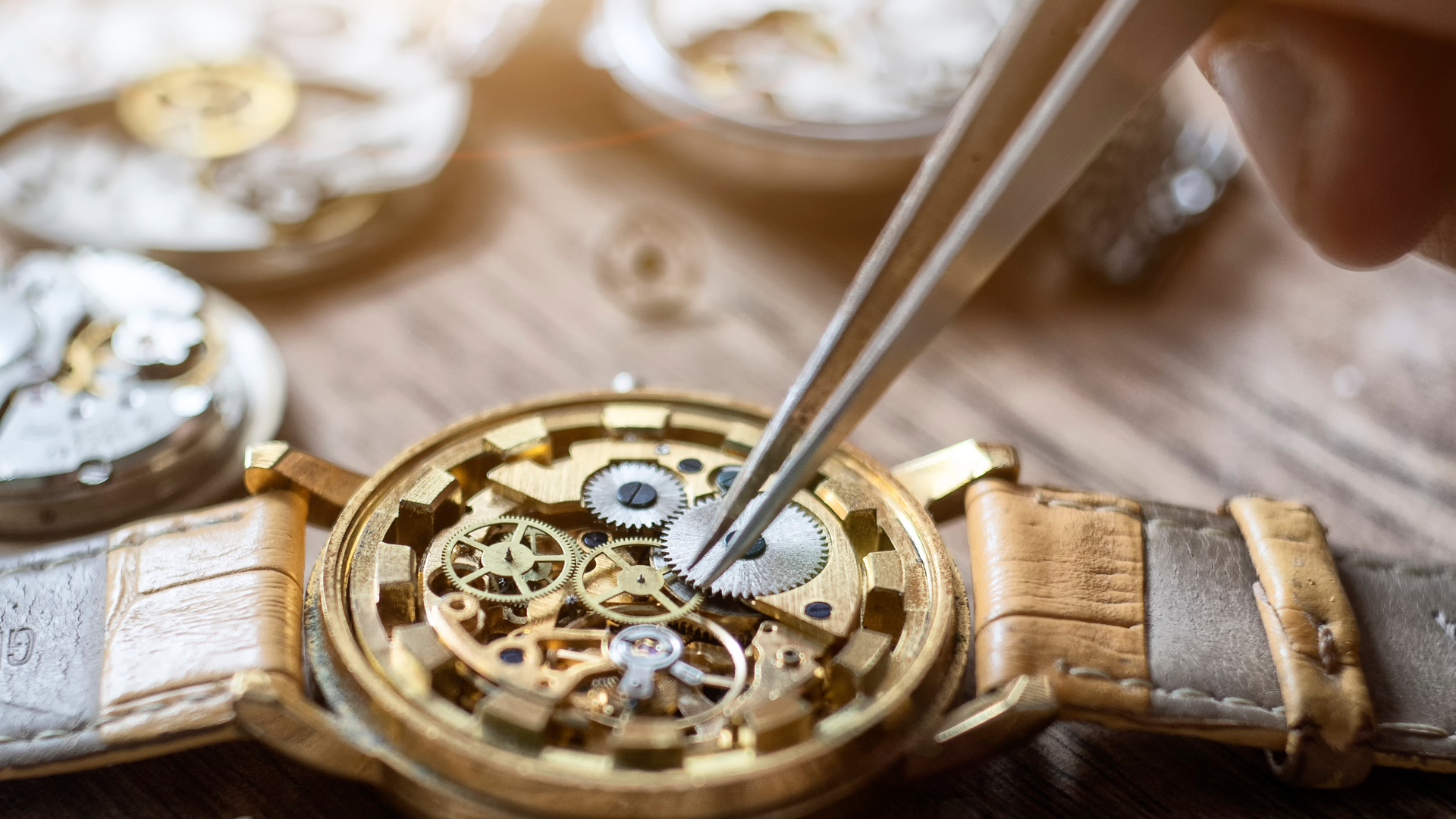
- Open the case to inspect the movement for displaced parts
- Check the balance staff, jewels and pivots
- Assess whether a simple regulation or a full service is needed
It’s worth paying a bit more for someone with a good reputation for high-value pieces. Cutting corners on impact-related repairs can store up bigger, more expensive problems.
Step 7: If You’re Insured, Inform Your Dealer/Insurer Early
If your watch was insured through MINT, it’s usually better to inform them early rather than after repairs are done.
Good practice:
- Take detailed, clear photos of the damage (cracked crystal, dents, etc.)
Depending on your policy and how it was set up, accidental physical damage from a drop or impact may be covered. The exact process will depend on how you arranged the insurance (often at purchase, via your dealer), but in general:
- You or your dealer notify the insurer
- Repairs are done by an approved or mutually agreed watch repairer
- With MINT, the insurer pays the repairer directly so you don’t even have to worry about the cost
The main thing: don’t quietly fix first and only think about insurance later. Ask your dealer or insurer what they need up front.
Bonus: What Not to Do After Scratching or Dropping Your Watch
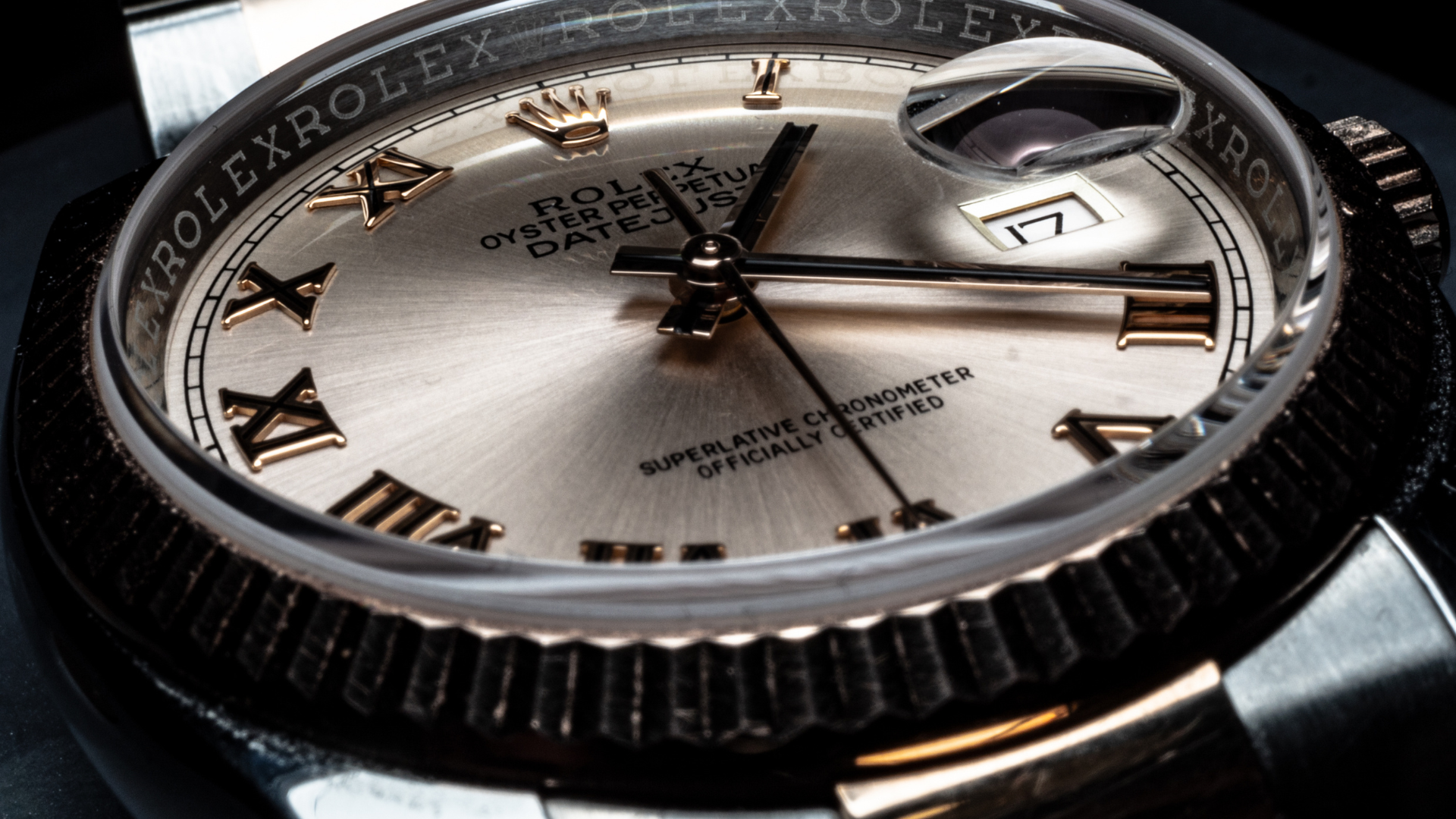
To wrap up the checklist, here’s a quick “never” list for Singapore collectors:
- ❌ Never try to polish out deep scratches yourself with household metal polish
- ❌ Never blow into the case or crown area “to clear dust”
- ❌ Never tape over a cracked crystal and keep swimming with it
- ❌ Never ignore a crown that suddenly feels different after a drop
- ❌ Never throw away cracked crystal fragments before your watchmaker sees them
The goal is always the same: stabilise, document, then let a professional handle it.
When your watch is scratched, cracked or dropped:
- Stay calm: don’t wind, shake or test aggressively.
- Do a visual check: crystal, case, crown, bracelet.
- Note any movement issues: stopping, stuttering, rubbing hands.
- Keep it dry: avoid humidity and water until assessed.
- Classify the damage: cosmetic vs structural/functional.
- Contact a trusted watch repairer: especially for cracked crystal repair or impact.
- Loop in your dealer/insurer: if your watch is covered, flag the incident early.
Owning nice watches in Singapore means accepting that life happens: door frames, table corners, accidental drops. The difference between a small, manageable repair and a painful, value-destroying saga is often just how you respond in the first hour.
Handle that part well and if you’ve set up proper coverage through your dealer with a specialist like MINT, you can get back to enjoying your watches instead of constantly worrying about every tiny knock.
Read other articles